Microsoft has filed a patent for an advertising system in PC and Xbox games, as first reported by Eurogamer. The filing, titled “Contextually Aware Management of Interactive Software Application Access,” was published as US 2026/0260258 A1 and describes how advertisements are to be displayed without interrupting the actual gameplay.
How Do “Trigger Events” Work, According to the Patent?
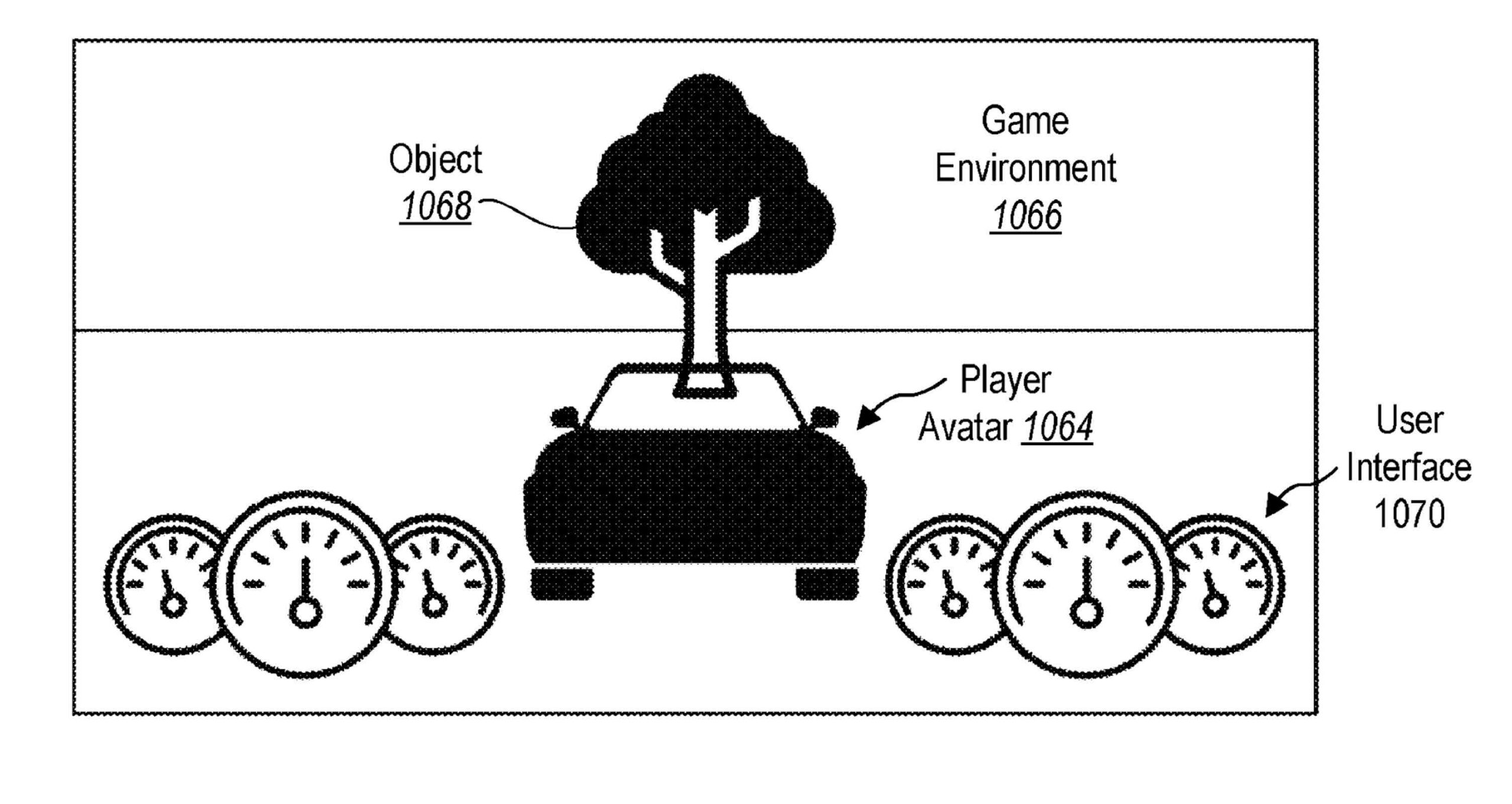
The core of the system revolves around what are called Trigger Events: fixed moments where a game naturally pauses briefly or a gap occurs. The patent cites examples such as the end of a boss fight, the completion of a quest, the end of a cutscene, or loading screens. In these moments, the game would be paused, and an advertisement displayed – similar to how many free-to-play mobile games operate today. According to the patent, those who don't want to see ads continuously will initially receive an ad-free time allowance, such as 30 minutes or a completed game level. By watching additional ads, players can earn more ad-free playtime.
What Devices Is the Patent Intended For?
The filing is not limited to a single platform. Microsoft lists desktop PCs, laptops, game consoles, smartphones, tablets, smart TVs, and headsets as potential target devices, as well as cloud gaming scenarios. This means the system could theoretically apply to both classic Xbox and PC titles, as well as free-to-play and streaming services. A specific game, Xbox service, or product roadmap is not mentioned in the patent – Microsoft, as with most patent applications, intentionally remains vague.
This topic isn't entirely new: as early as July 2026, Xbox Insiders have been able to stream selected free-to-play titles via cloud gaming for free with ads. At the time, Microsoft explicitly emphasized that they did not want to interrupt gameplay and wanted to clearly label advertisements – phrasings that are almost verbatim in the current patent filing. Thus, the patent reads more like the technical foundation for a strategy Microsoft is already pursuing, rather than a completely new idea.
Will Ads Now Also Appear in Full-Priced Games?
Not necessarily – and that's the crucial difference from the current controversy. A patent is primarily a legal safeguard, not an announcement. Nevertheless, the mere idea sparks discussions because, technically, it's not limited to free cloud services; according to the filing, it could also apply to purchased console and PC games. For players, in the best-case scenario, this would mean short, announced ad breaks at existing waiting points instead of interruptions mid-combat. In the worst case, it threatens to set a precedent that gradually establishes advertising even where players have already paid for the game.
From our perspective, this is precisely the sore point in the monetization debate: exchanging advertising for a real advantage, such as free access, is understandable. However, if the same system were later to migrate into full-priced titles, the outcry in the community would likely be significant – the line between “clever compromise” and “additional imposition” ultimately depends on exactly where Microsoft implements these Trigger Events in the future.
Source: Eurogamer, Tom’s Hardware, TechSpot
What do you think about ad breaks based on the Trigger Events principle: a fair deal for cheaper gaming or the first step towards more ads everywhere? Let us know in the comments.
Comments (0)
No comments yet — be the first to share your take.