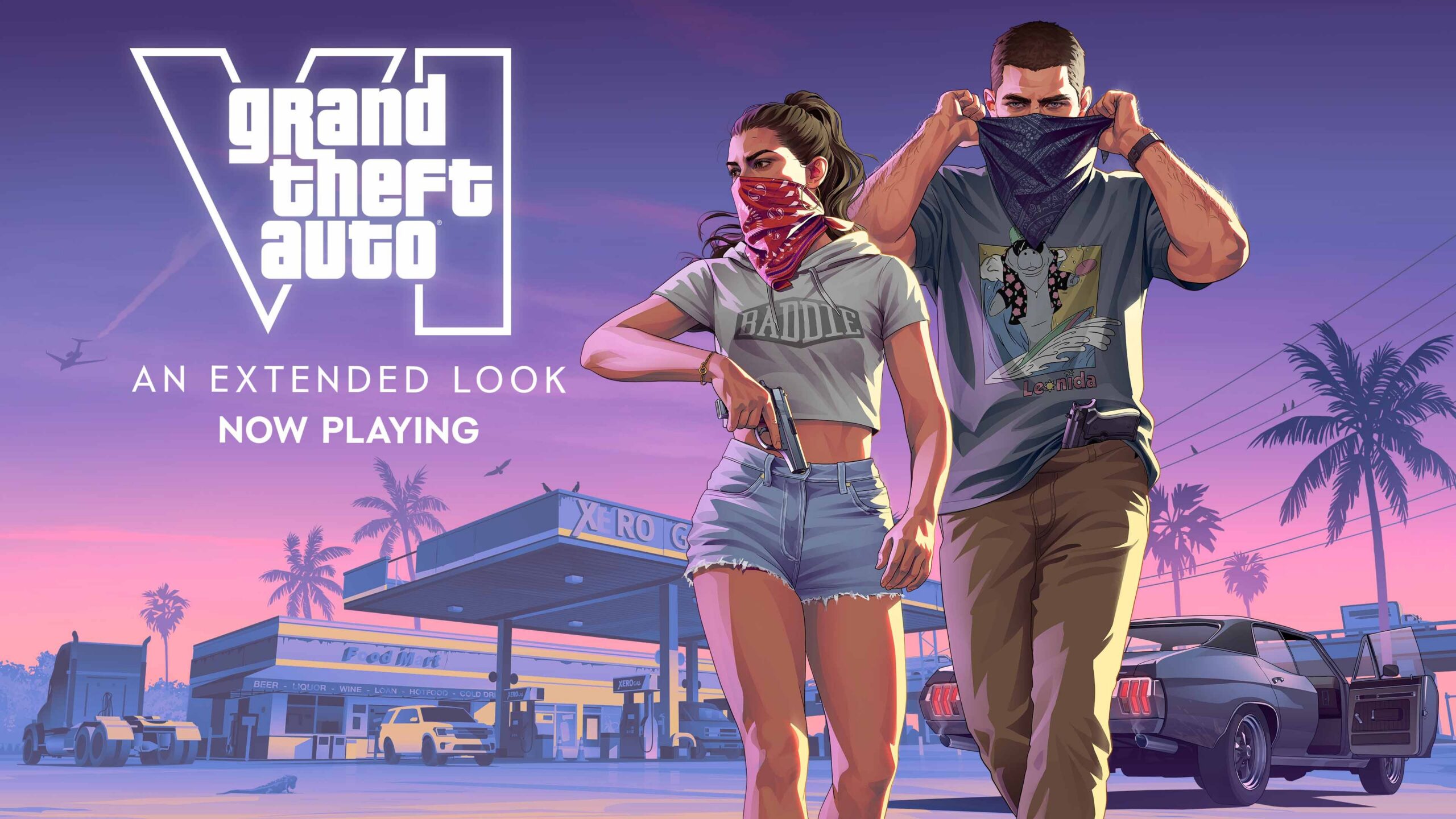
Since the showcase „Grand Theft Auto VI: An Extended Look” on Netflix and YouTube, the gaming press and community have been outdoing themselves with hymns of praise for water reflections, NPC behavior, and lighting ambiance in Vice City. This assessment from the Scene-Gamers editorial team contradicts the jubilation on a crucial point: Rockstar has worked on GTA 6 for over a decade – yet beneath the photorealistic surface apparently lies exactly the same rigid mission structure that GTA 5 already had in 2013. For a game with a reported two-billion-dollar budget, this is, in our view, a gameplay declaration of bankruptcy.
Don't get us wrong: Technically, GTA 6 will probably be the most impressive open world ever released. But technology is not the same as game design. Anyone who looks behind the scenes will recognize the familiar confining structure of a studio that for years has not trusted its players to solve missions on their own.
Free Sandbox, Rigid Rails: Rockstar's Old Paradox
Rockstar's formula has suffered from the same dichotomy for years. In free mode, the world promises boundless possibilities. But as soon as a mission starts, this very freedom collapses into a tight corset. In GTA 5 and Red Dead Redemption 2, deviating just a few meters from the marked route was enough to trigger the message „Mission failed – You left the mission area”. Anyone who wanted to sabotage an escape vehicle beforehand or eliminate an enemy from a distance before the appropriate cutscene was triggered was also penalized. This criticism is not an isolated opinion: it has appeared in forums and on Steam for both games for years, often with the reference that even years-old Metal Gear Solid V offers more agency in missions than Rockstar's current open-world series. In our overview of the new gameplay details from the Extended Look, we have already shown how much Rockstar invests in interaction and presentation – but this changes nothing about the fundamental mission structure.
Emergence Instead of Scenery: What Zelda and Baldur’s Gate 3 Do Differently
Modern open-world benchmarks are set by games like The Legend of Zelda: Tears of the Kingdom or Baldur’s Gate 3 exactly where Rockstar has so far shied away: with true emergence. Physics, AI, weather, and tools intertwine there in such a way that players solve tasks in ways that even the developers hadn't planned. Vice City, in the Extended Look, appears lively but not systemic: NPCs react impressively to shots or provocations, but as soon as the story campaign takes over, these systems are noticeably restricted so that the scripted chase doesn't collapse.
Why Rockstar Sticks to the Proven Formula
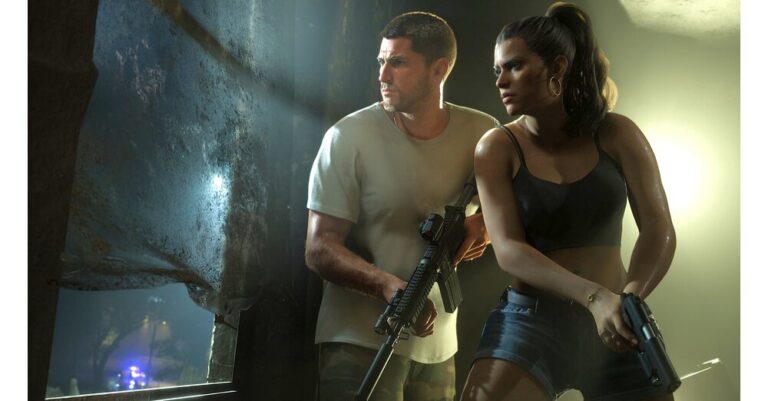
That Rockstar doesn't touch this gameplay loop – driving, dialogue, cover, cutscene – has tangible economic reasons: maximum accessibility for the mass market and a stable foundation for the coming decade of GTA Online. Remarkably: We weren't the first to have this concern. Immediately after the broadcast, individual fans, in reactions to the Extended Look, expressed the desire for more freedom of movement in missions and the fear of still being led on a tight leash – despite all the technical presentation. Anyone who wants to know how Rockstar stages the switch between the two main characters can find details in our article on character switching between Jason and Lucia.
Rockstar's Most Beautiful Prison
GTA 6 will smash sales records, and we too will sink dozens of hours into it. Nevertheless, we should stop confusing visual opulence with gameplay innovation. With Vice City, Rockstar is building the industry's most detailed amusement park – but as soon as you enter a ride, you have to buckle up and aren't allowed to stick your hands out of the car.
Source: Rockstar Games Newswire – Grand Theft Auto VI: An Extended Look
What do you think: Is the graphical leap enough for a next-gen GTA, or is Rockstar stuck in the last decade when it comes to mission design? Discuss with us in the comments!

Comments (0)
No comments yet — be the first to share your take.