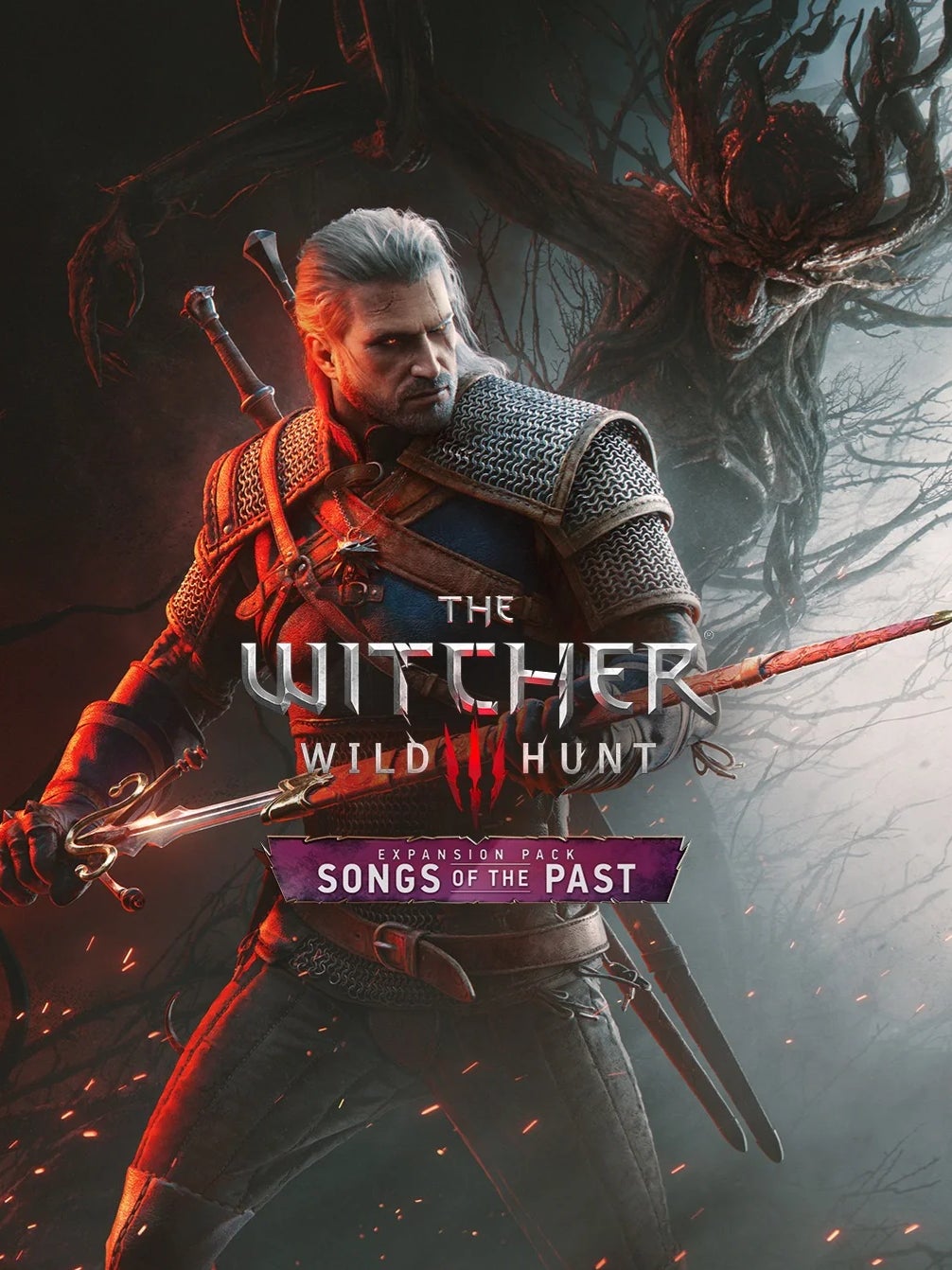
CD Projekt Red is employing generative AI for The Witcher 3 – not to replace a voice actor, but to assist one. For the upcoming expansion Songs of the Past, the voice of Polish Geralt voice actor Jacek Rozenek will be post-processed using AI. Rozenek has explicitly agreed to this.
The studio confirmed the collaboration to industry service Game File. The partner is AI company Respeecher, which specializes in voice conversion.
Why will Geralt's Polish voice sound different in Songs of the Past?
Jacek Rozenek has voiced Geralt of Rivia in all major Witcher games – for Polish fans, he is as inextricably linked to the role as Doug Cockle is for those who play in English. However, in 2019, Rozenek suffered a severe stroke and was temporarily unable to speak at all. After extensive rehabilitation, he returned, but his voice has since sounded deeper and rougher than it did back then.
This becomes a problem because new dialogues from Songs of the Past will sometimes play directly alongside recordings over ten years old. Rozenek will therefore continue to record his new lines himself. Only then will an AI, trained on his earlier Witcher recordings, process the takes to make them sound like the Geralt of 2015 again.
Rozenek himself stated, in essence, that his voice should be as close as possible to what it was twelve years ago – and he has great faith in the game's creators. According to Game File, who were able to hear both versions, the difference is clear: unprocessed, Rozenek's voice sounds deep, scratchy, and noticeably rougher; processed, it sounds smoother and younger.
Localization producer Mikołaj Szwed emphasized to Game File that AI can be used ethically in this way – with consent and to do good. For future projects where Geralt ages and is allowed to have a deeper voice, the altered voice would not be a problem at all. This is only about this specific situation where old and new recordings directly coincide.
CDPR previously used Respeecher for Cyberpunk 2077
This approach is not new for CD Projekt Red. The studio already collaborated with Respeecher in 2023 for the Cyberpunk 2077: Phantom Liberty expansion. At that time, it concerned Viktor Vektor: his Polish voice actor Miłogost Reczek passed away in 2021, but CDPR did not want to recast the role. With the blessing of Reczek's sons, the new lines were artificially generated.
The Rozenek case is even clearer: here, the voice actor is alive, records every line himself, and has personally agreed to the process. The AI is not replacing work; it is merely adjusting the timbre. This is a significant difference from cases where studios clone voices without consent or entirely cut voice actors – and precisely why the debate about AI in games is likely to be less heated in this example. That many creatives still draw a clear line on the subject was recently demonstrated by Doom composer Mick Gordon with his clear no to AI. For those playing in German or English, incidentally, nothing changes as of now: the AI processing affects the Polish voice version.
When will Songs of the Past be released for The Witcher 3?
A specific date has not yet been announced. Songs of the Past is set to release in 2027, approximately twelve years after the main game's launch. The expansion introduces the new region of Letten and revolves around Geralt's lost bard companion Dandelion, whose family lives there. All important details about the announcement can be found in our report on the unveiling of Songs of the Past at Opening Night Live.
Important for console players: The expansion builds on the remaster released a few months ago and will be available for PC, PS5, Xbox Series X/S, and Switch 2. PS4, Xbox One, and the original Switch will miss out, even though The Witcher 3 is available on those platforms.
Sources: Game File, Eurogamer, GamePro
Is AI post-processing with the voice actor's consent acceptable to you, or would you have preferred to hear Geralt's new, rougher voice in Songs of the Past unchanged?


Comments (0)
No comments yet — be the first to share your take.