Brussels is getting serious about microtransactions: The EU Commission presented its proposal for the Digital Fairness Act (DFA) on November 11, 2026. And it targets games quite directly: virtual currencies, loot boxes, pay-to-win, subscriptions, and in-game purchases by children. The feedback phase is now open – and you can have your say.
What does the Digital Fairness Act say about loot boxes and virtual currencies?
The draft aims to curb practices that exploit or harm consumers in digital markets. According to trade media GamesIndustry.biz and Game Developer, the following points are particularly relevant for games:
- Real-money price visible: Sellers of virtual currency must display the corresponding value in real money.
- Currencies for children off by default: In products aimed at minors, virtual currencies should be deactivated by default – activation only after parental or guardian consent.
- No loot box sales to minors: Adults may continue to purchase, but must be transparently informed about item types and probabilities beforehand.
- Pay-to-win for children prohibited: Purchases deemed “necessary” for game progression should be forbidden for minors.
- Addiction-promoting mechanics switchable: For example, push notifications that you did not trigger yourself, or login streaks.
- Subscriptions easier to cancel: Digital contracts and subscriptions should be simpler to terminate.
One definition is sensitive: According to GamesIndustry.biz, the draft considers any game with an age rating under 18 to be aimed at children. Especially with the pay-to-win ban, it is also unclear what “necessary” precisely means – and how this will work in games where adults and young people play together.
Until when can feedback on the Digital Fairness Act be submitted?
The feedback period runs until January 14, 2027, at midnight Brussels time. However, it will be extended day by day until the proposal is available in all official EU languages. Feedback is submitted on the Commission’s “Have your say” portal. Responses will be published and summarized for the European Parliament and Council – both must still negotiate the text before it becomes law. Until then, nothing will change in your games.
Industry associations raise concerns
The industry is far from thrilled. The UK trade association Ukie warns of higher costs for developers and primarily criticizes blanket bans: they are concerned that parental autonomy will be undermined instead of allowing them choices based on individual situations. The German industry association game has also criticized the draft: if every game under 18 is considered a children's game, it undermines the USK and PEGI age rating systems. The association calls on Parliament and Council to fundamentally revise the draft. According to GamesIndustry.biz, the heads of Supercell and King expressed similar sentiments.
Loot box dispute: Germany already has its own rules
The debate is not new in Germany. Since the reform of the Youth Protection Act in 2021, Germany's USK age rating system has been allowed to consider risks such as in-game purchases and loot boxes in its age ratings, and since 2023, it has been doing so, indicating them as additional notices on packaging. Belgium goes further, classifying paid loot boxes as illegal gambling since 2018. The DFA would now introduce an additional, significantly stricter layer across the EU.
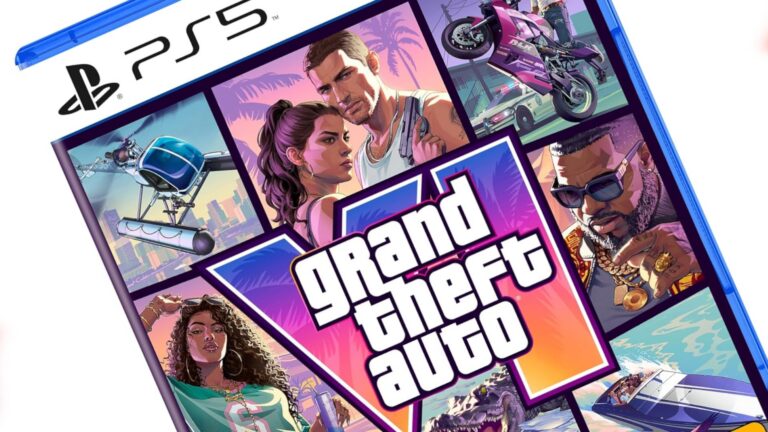
Our assessment: More price transparency and no loot box gacha for children are long overdue – anyone who has ever calculated what a convoluted package of in-game currency truly costs in Euros knows why. However, the linkage to “under 18” is a real problem. It could tempt studios to deliberately aim for a higher age rating to circumvent the rules – Game Developer also sees this as a possible side effect. This would ultimately not help youth protection. The recent criticism of the GTA+ subscription in GTA 6's single-player mode also showed how controversial payment models currently are.
Source: GamesIndustry.biz, Game Developer, European Commission
No loot box sales to children and real-money prices next to every in-game currency: Do you think the EU's proposal is right, or is Brussels interfering too much with your games?

Comments (0)
No comments yet — be the first to share your take.